Recycling and Sustainability for Landscaping Golders Green
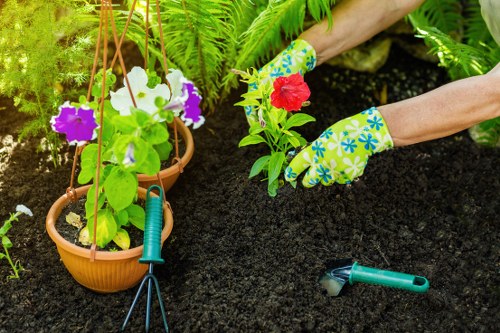 At Landscaping Golders Green, sustainability is built into every stage of our work, from the first site visit to the final green finish. Our approach to landscaping in Golders Green focuses on reducing waste, reusing materials wherever possible, and making sure that what cannot be reused is directed into responsible recycling streams. We aim to keep our recycling percentage target at 90% of suitable site waste diverted from landfill or incineration, with continuous improvement through better sorting, smarter purchasing, and cleaner material handling.
That target is supported by practical daily habits. Soil, timber, stone, green cuttings, metal fixings, and selected hardscape offcuts are separated on site to reduce contamination. In many local boroughs, there is a strong emphasis on waste separation and correct routing of materials, and we align our landscaping recycling process with those expectations. This includes keeping inert waste apart from general waste, ensuring green waste is handled through composting and organics recovery, and making sure reusable aggregates are identified early instead of being mixed into mixed skip loads.
We also make careful use of local transfer stations to reduce unnecessary travel and improve recycling efficiency. By using nearby facilities, our Golders Green landscaping waste can be sorted and consolidated closer to the source, which helps lower transport emissions and supports the borough’s wider environmental goals. These stations are especially useful for separating materials such as rubble, soil, cardboard packaging, plastics, and scrap metal, all of which can often be recovered more effectively when kept clean and unmixed.
Responsible Material Recovery
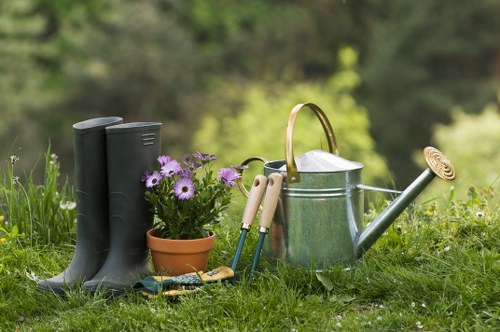 Our landscape recycling approach is designed around circular use, not simple disposal. Wherever we can, we salvage paving slabs, edging stones, timber sleepers, metal garden features, and healthy topsoil for reuse on future projects or for repurposing within the same site. This reduces demand for virgin materials and helps keep the environmental footprint of each garden transformation as low as possible. In practical terms, this means planning removals carefully so that reusable pieces are lifted, cleaned, and stored rather than broken up and thrown away.
Green waste is another key part of our sustainability strategy. Branches, leaves, hedge cuttings, grass clippings, and plant trimmings are sorted for composting or biomass recovery depending on the material stream available. In a busy residential area, this matters because regular garden maintenance can produce a surprising volume of organic waste. By keeping it separate, landscaping Golders Green projects can support soil improvement and mulching on future jobs while reducing the volume that needs to be transported away as general refuse.
We also consider packaging waste from deliveries. Pallets, cardboard wraps, plastic covers, and planting containers are separated where possible, then sent on to appropriate recycling routes. This may seem like a small step, but across a full season of projects it makes a significant difference. It is part of a broader local approach to waste separation that many boroughs encourage, especially where mixed waste can easily compromise recyclability. Careful sorting helps ensure materials remain useful rather than becoming contaminated.
Partnerships and Lower-Impact Operations
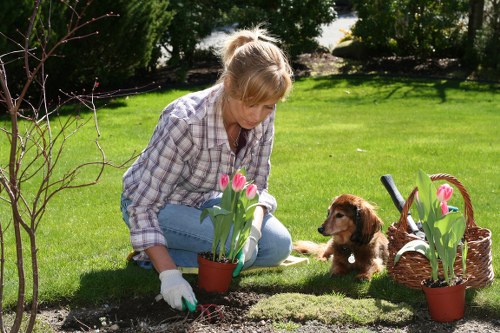 Sustainability is not only about what happens on site; it is also about the wider network behind the service. That is why Landscaping Golders Green supports partnerships with charities and community reuse organisations that can benefit from donated surplus materials, usable plants, tools, and garden items. When suitable, we direct items toward organisations that help community gardens, housing projects, or local environmental initiatives, giving materials a second life and supporting social value at the same time.
These partnerships are especially useful for items that still have value but are no longer needed on a particular job. For example, healthy shrubs, pots, sleepers in good condition, and decorative stones may be suitable for reuse by charitable groups or community-led growing spaces. This reduces waste and can help local projects access materials they may otherwise struggle to afford. It is a small but meaningful part of our recycling and sustainability commitment in Golders Green.
Our lower-carbon transport is another important part of the picture. We use low-carbon vans designed to reduce emissions on short urban journeys, where stop-start traffic can otherwise create a heavy environmental burden. Cleaner fleet choices, efficient route planning, and smarter load consolidation all help cut fuel use. In an area where many jobs are relatively close together, the benefits of lower-emission vehicles are substantial, especially when combined with fewer trips to local transfer stations and better on-site material planning.
Building a Greener Future for Local Gardens
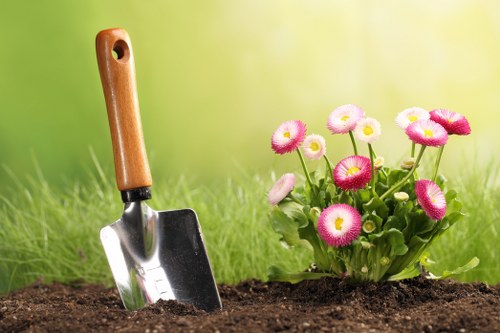 Our sustainability measures extend to project design as well as waste handling. We favour durable, repairable materials and choose planting plans that can support local biodiversity while reducing long-term maintenance inputs. Where possible, we recommend recycled or reclaimed components, such as reclaimed timber features or repurposed stone, to lessen the demand for newly manufactured products. This supports a more eco-conscious landscaping Golders Green approach that is practical, attractive, and future-focused.
We also recognise the importance of local compliance and borough-specific waste rules. Different councils can vary in how they handle garden waste, inert waste, and mixed recyclables, so we keep a close eye on separation guidance and disposal routes. That helps us stay consistent with local expectations and maintain high recovery rates. Whether a project involves pruning, turf removal, patio replacement, or full garden clearance, the aim is always the same: recycle more, landfill less, and keep the process efficient.
 By combining a 90% recycling target, local transfer station use, charity partnerships, and low-carbon vans, Landscaping Golders Green keeps sustainability at the centre of every job. Our commitment is not just to greener gardens, but to greener working methods throughout the lifecycle of each project. That means thoughtful material separation, reduced transport impact, and meaningful reuse wherever possible—creating outdoor spaces that look good and support a cleaner local environment.